Cutting Edge, Personalized Care
World-Class Retinal Treatments
Our team of expert physicians, surgeons, and support staff are excited to offer advanced eye surgery and treatments to residents of PEI. We’re dedicated to providing high-quality care that prioritizes patient well being.
Vitreous Tap or Biopsy
Overview
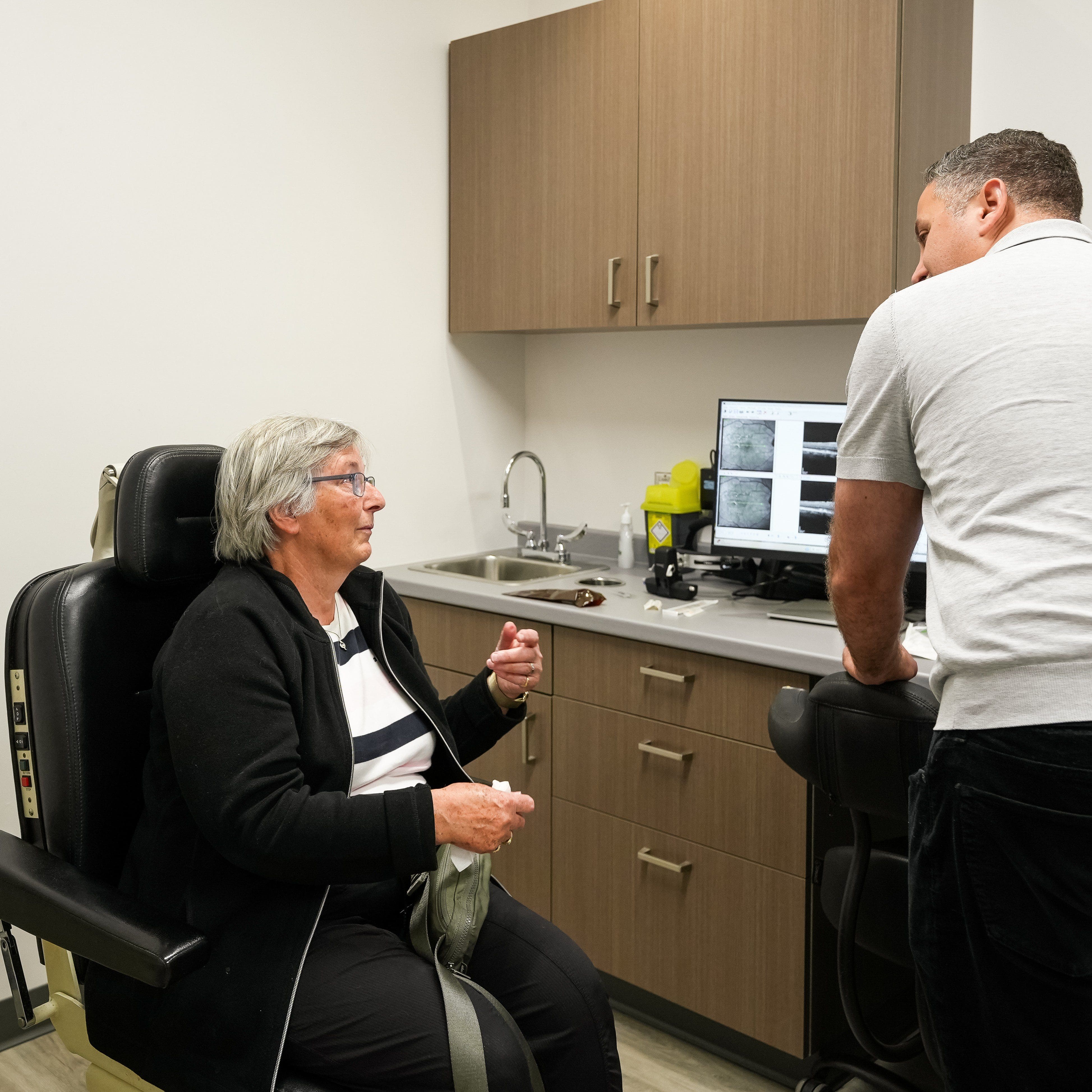
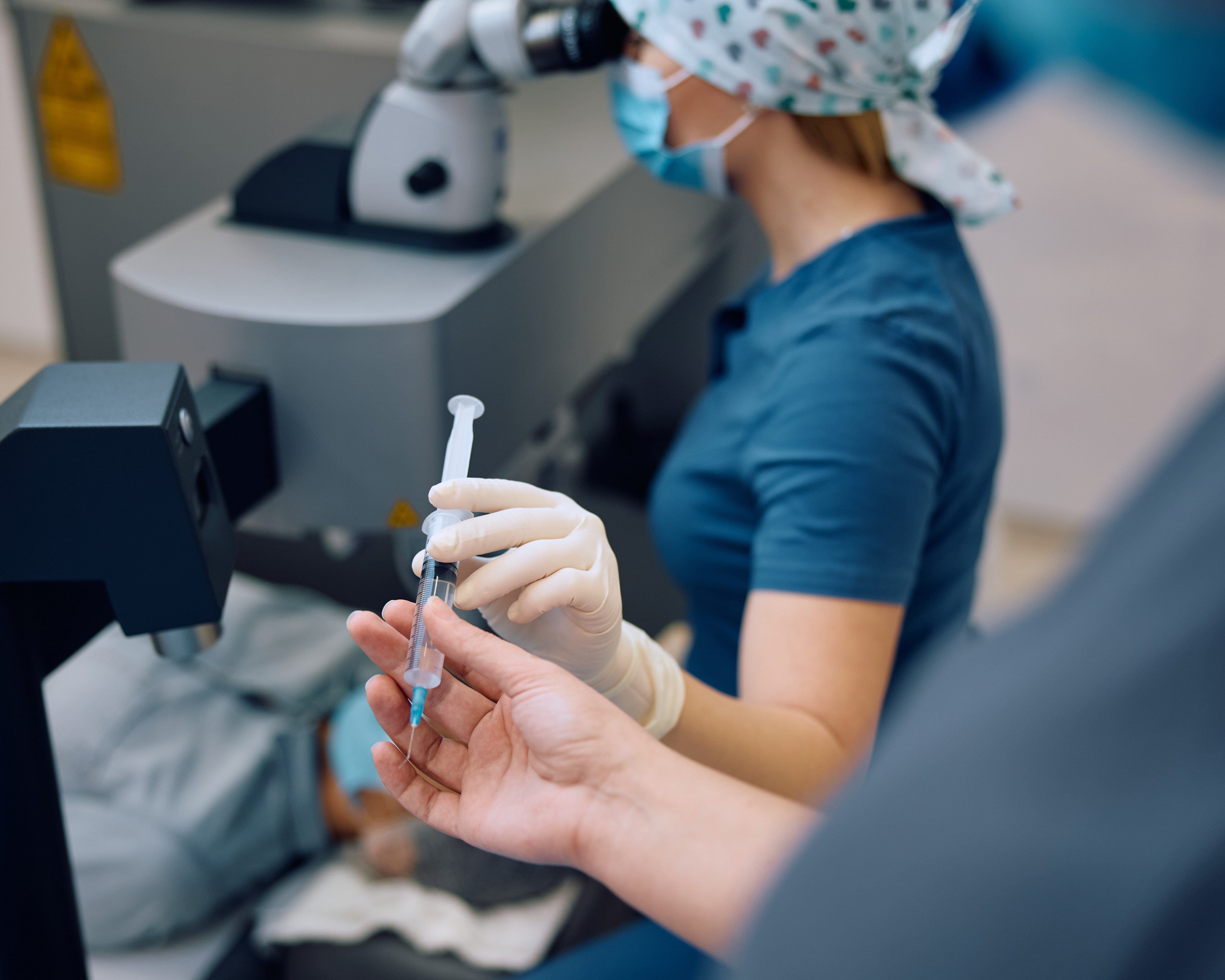
A Vitreous Tap is a procedure that uses a fine needle to gently collect vitreous fluid from inside the eye. This is then sent for laboratory analysis to test for infection, cancer, or other causes of inflammation in the eye.
Anti-VEGF Injections

Overview
Anti-VEGF injections are a common treatment for Diabetic Macular Edema. VEGF stands for “endothelial growth factor”, a protein that promotes the growth of abnormal blood vessels. In Diabetic Macular Edema, high levels of VEGF can lead to the growth of leaky blood vessels in the retina, causing fluid buildup and swelling in the macula.
Anti-VEGF injections are given directly into the eye, typically in a doctor’s office. It is quick, though it may be somewhat uncomfortable. These injections can significantly improve or stabilize vision in many people with DME. Treatment usually requires multiple injections, depending on how the condition responds. Regular follow-up appointments are necessary to monitor progress.
Side Effects
Common Side Effects
- Some people may experience temporary irritation, redness, or a feeling of something in the eye after the injection. This usually goes away after a few hours or days.
- The pressure inside the eye may increase temporarily after the injection, but this typically resolves on its own. In rare cases, it can lead to more serious complications like glaucoma.
- The eye may become more sensitive to light for a short period after the injection.
Rare, But Serious Side Effects
- An eye infection is a rare but serious complication. It can cause severe pain, vision loss, and requires immediate medical attention. The risk is low, but infection can occur due to the injection.
- Retinal Detachment. This is a very rare but serious side effect where the retina pulls away from the back of the eye, which can lead to permanent vision loss if not treated quickly.
- Rarely, bleeding can occur in the eye, leading to vision problems. This can be related to the injection or other underlying issues.
- Inflammation inside the eye (iritis or uveitis) can occur after the injection, leading to discomfort, redness, and possible vision changes.
- Cataract Progression. Although uncommon, some people may experience a faster progression of cataracts after multiple injections.
Focal Laser Photocoagulation
Overview
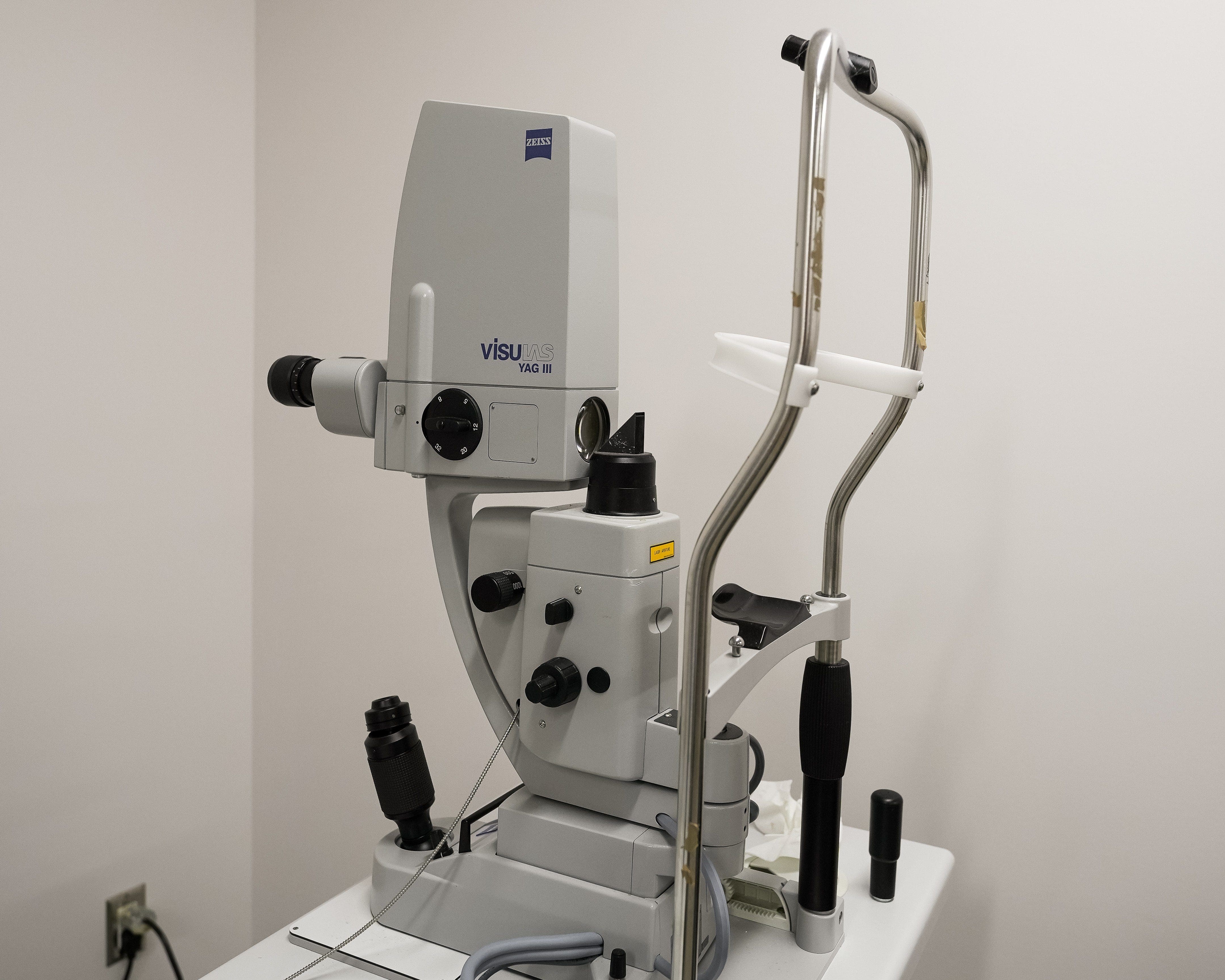
Focal laser photocoagulation is a specialized laser treatment primarily used to treat certain retinal conditions involving localized damage or leakage of blood vessels in the retina. It is most commonly used for conditions like diabetic macular edema (DME), macular edema from retinal vein occlusion (RVO), and other focal retinal issues. The goal of the procedure is to target and treat specific areas of the retina to prevent further damage and preserve central vision.
This procedure involves using a laser to apply small, precise burns to the retina in areas where there are abnormal blood vessels or leakage. The laser creates tiny, controlled burns that promote the sealing of leaking blood vessels and reduce fluid accumulation in the retina. This can help to reduce swelling (edema) in the macula, the central part of the retina responsible for sharp vision.
Focal laser photocoagulation is typically performed on an outpatient basis and under local anesthesia (using numbing eye drops). After the procedure, the patient is monitored briefly to ensure there are no immediate complications.
Focal laser photocoagulation can be highly effective in stabilizing vision and preventing further vision loss in conditions like DME and RVO. However, it does not restore vision that has already been lost due to these conditions, so early detection and treatment are crucial for the best outcomes.
Side Effects
- Temporary vision changes. Some patients experience temporary blurry vision after treatment, though this usually resolves in a short time
- Peripheral vision loss. Depending on the treatment area, the laser burns may cause some loss of peripheral vision, although central vision is usually preserved.
- Retinal damage or scarring. In some cases, the laser can cause permanent scarring or damage to the retina, potentially affecting vision.
- Increased risk of macular thinning. Over time, the treated area may become thinner, leading to potential long-term changes in vision.
Post-Treatment Care
After focal laser photocoagulation, patients are usually advised to rest their eyes for a short period and avoid strenuous activity for a few days. Regular follow-up appointments will be needed to monitor the treatment’s effectiveness and track any potential side effects.
Pars Plana Vitrectomy

Overview
This is a surgical procedure that uses special tools inserted through the pars plana (an area of the white part of the eye) to remove vitreous humour and/or scar tissue. This procedure can be used to treat conditions like retinal detachment, vitreous hemorrhage, macular holes, epiretinal membranes, certain infections, and to remove foreign objects.
Side Effects
Common Side Effects
- Inflammation – Redness, swelling and mild pain are common.
- Temporary Blurred Vision
- Temporary Issues with Night Vision or Depth Perception
Rare, But Serious Side Effects
- Cataract Formation
- High or Low Eye Pressure
- Infection
- Retinal Tear or Detachment
- Bleeding
- Macular Edema
Laser Retinopexy
Overview
This procedure is used to treat retinal tears, small retinal detachments, and lattice degeneration. It involves the use of a laser to create small burns around the edges of a retinal tear or detachment, effectively “welding” the retina to the underlying tissue. This helps seal the tear and prevents fluid from leaking underneath the retina, which could lead to a larger detachment.
Laser retinopexy can help prevent a retinal tear from progressing to a more serious retinal detachment, which can result in significant vision loss. It’s minimally invasive, with a high success rate in stabilizing retinal tears. For small or early retinal detachment, laser treatment can be an effective alternative to more invasive surgical options.
Side Effects
- Some patients experience temporary blurry vision or light sensitivity after the procedure.
-
The laser burns can cause some loss of peripheral vision in the treated area.
-
Although rare, there is a small risk of infection or excessive scarring after the laser treatment.
Post-Treatment Care
After laser retinopexy, patients are usually advised to rest their eyes for a short period, avoid strenuous activity, and attend follow-up appointments to monitor the retina’s healing process. In some cases, additional treatments or laser sessions may be necessary.